
Hair Loss Prevention for Men: What Actually Works
Feb 18,2026
Let me ask you a question that might hit close to home. Have you ever stood in front of the mirror, noticed a few more hairs on your pillow than usual, and felt that knot forming in your stomach? That moment when you realize your hairline might be staging a slow retreat? You're not alone. In fact, two out of three men experience noticeable hair loss by age 35, and by the time most guys hit 50, over half are dealing with some form of thinning.
But here's what separates the men who take control from those who don't: understanding that hair loss isn't inevitable. It's not some unstoppable force of nature you have to accept. The science is clear, and the solutions are real. The question is, are you ready to take action?
Let me walk you through exactly what's happening, why it's happening, and most importantly, what actually works to stop it. Because knowledge without action is just entertainment. And you're here for results.

Understanding the Enemy: DHT and Male Pattern Baldness
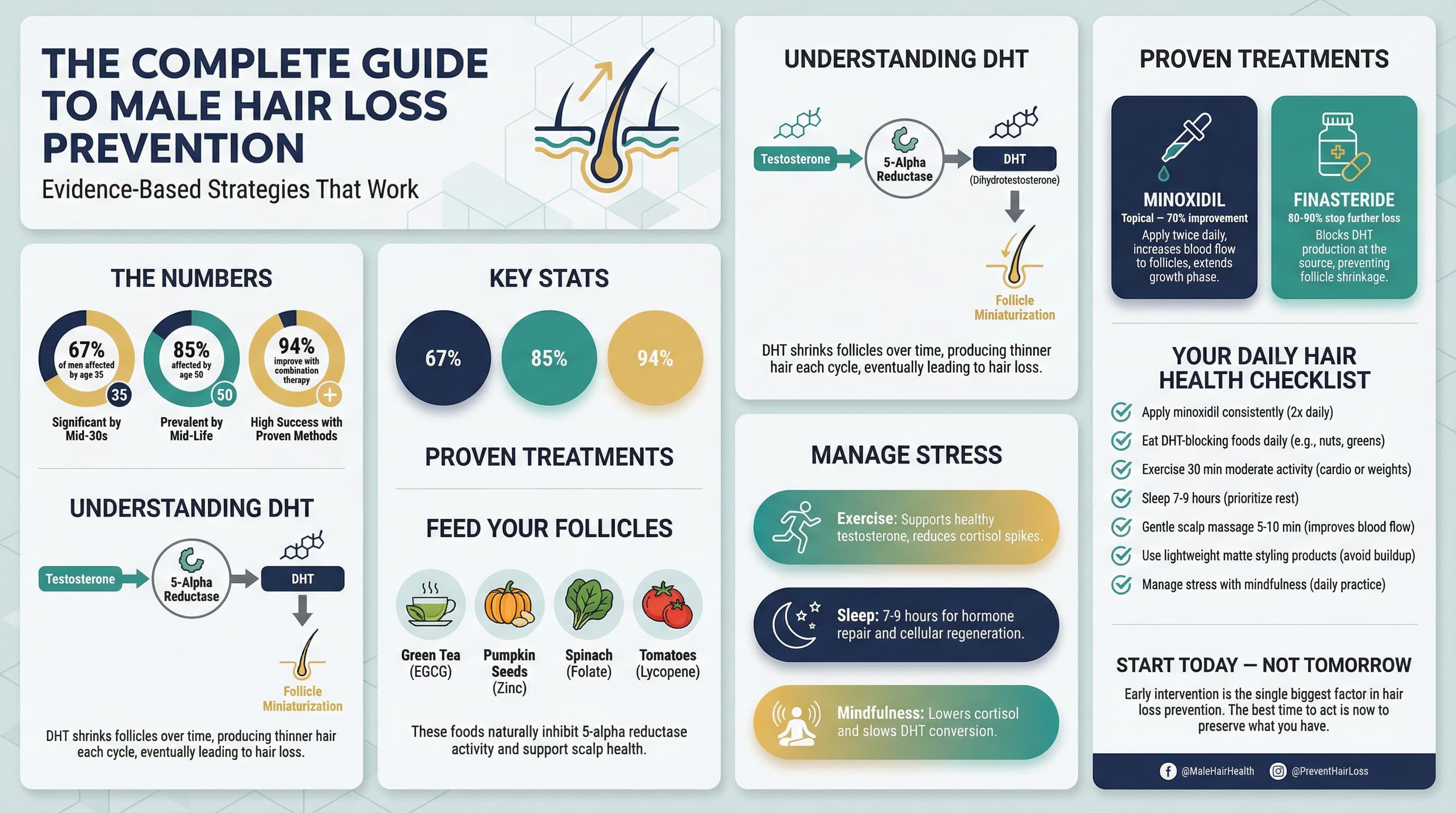
Before you can win any battle, you need to understand your opponent. In the case of hair loss, that opponent has a name: dihydrotestosterone, or DHT. This is the hormone responsible for the vast majority of male pattern baldness, affecting nearly 85% of men by age 50.
Here's how it works. Your body produces testosterone, which is essential for muscle development, energy, and yes, even your mood. But when testosterone encounters an enzyme called 5-alpha reductase, it converts into DHT, a hormone roughly five times more potent than testosterone itself. DHT then binds to receptors in your hair follicles, particularly those on the top and front of your scalp, causing them to shrink over time.
Think of your hair follicles like plants in a garden. DHT is essentially pouring salt on the soil, making it increasingly difficult for anything to grow. The follicles miniaturize, producing thinner and weaker hair with each growth cycle until, eventually, they stop producing visible hair altogether. If you've noticed your hair becoming finer or your receding hairline becoming more prominent, this is precisely what's happening beneath the surface.
But here's the crucial insight that changes everything: genetics loads the gun, but lifestyle pulls the trigger. Your sensitivity to DHT is largely determined by your DNA, but factors like stress, diet, and environmental toxins can accelerate the process dramatically. This means you have more control than you think.
The Proven Treatments: What Science Actually Supports
I'm not interested in giving you hope based on speculation. You deserve facts, and here they are. There are only two FDA-approved treatments for male pattern hair loss, and both have decades of clinical research backing them up.
Minoxidil: Your First Line of Defense
Minoxidil is the most widely available and commonly used treatment for hair loss. Available over-the-counter as a topical foam or liquid, it works by increasing blood flow to hair follicles, essentially delivering more oxygen and nutrients to the growth site. According to dermatological research, minoxidil helps approximately 70% of men experience an improvement in hair loss when used consistently.
The key word here is "consistently." This isn't a once-in-a-while solution. You apply it twice daily, every single day, and you commit to the process for at least six months before expecting visible results. The men who see the best results are those who start early, when they first notice thinning rather than waiting until significant loss has occurred.
Finasteride: Attacking the Root Cause
While minoxidil works on the surface, finasteride goes straight to the source. This prescription medication blocks the enzyme that converts testosterone into DHT, reducing DHT levels throughout your body. Clinical trials have shown that finasteride stops further hair loss in 80-90% of men who take it, and some even experience regrowth.
The combination of both treatments has proven even more effective. Research indicates that using finasteride and minoxidil together improves hair loss outcomes in 94% of men. That's not marketing hype. That's peer-reviewed science.

The Power of Nutrition: Feeding Your Follicles
Here's something most men never consider: your hair is a reflection of your internal health. Research published in medical journals has shown that nutritional deficiencies can trigger or accelerate hair loss, while the right nutrients can support the high metabolic rate and rapid cell division required by actively growing hair follicles.
Hair loss is multifactorial. Antioxidants can block DHT-induced damage, neutralize harmful free radicals, reduce scalp inflammation, and support healthy genetic expression in your hair follicles. This isn't about popping random supplements. It's about strategic nutrition.
DHT-Blocking Foods
Certain foods may help lower DHT levels naturally by inhibiting 5-alpha reductase activity. Consider incorporating these into your diet:
Green tea contains EGCG, a compound that possesses anti-inflammatory and antioxidative properties which may protect hair follicles. Pumpkin seeds are rich in zinc and have shown promise in studies for supporting hair growth. Spinach provides magnesium, iron, and folate, all of which support overall hormone regulation. Tomatoes are high in lycopene, an antioxidant that may help protect hair follicles from oxidative damage.

Essential Nutrients for Hair Health
Your hair needs specific building blocks to thrive. Biotin supports keratin production. Zinc plays a critical role in protein synthesis and cell division. Iron deficiency is one of the most common causes of temporary hair loss, especially when combined with stress. If you're not getting enough protein, your body will prioritize essential organs over your hair follicles.
This connects directly to how you approach your overall grooming routine. When you understand that healthy hair starts from within, your approach to styling fine or thinning hair becomes much more effective.
Stress: The Silent Hair Killer
Let me tell you something that might surprise you. Stress doesn't just make you feel terrible; it can literally make your hair fall out. There's a condition called telogen effluvium, and it's more common than you might think.
Normally, about 85% of your hair follicles are in an active growth phase, while roughly 15% are in a resting phase. Under significant stress, however, up to 70% of your hair can prematurely enter the resting phase, leading to dramatic shedding two to three months after the stressful event.
The good news? This type of hair loss is usually temporary. Once you address the underlying stress, most men see their hair return to normal within six to twelve months. The bad news? Chronic, ongoing stress can perpetuate the cycle, leading to prolonged thinning that compounds any genetic hair loss you might already be experiencing.
Managing Stress for Hair Health
Moderate exercise like brisk walking, swimming, or yoga supports healthy testosterone regulation and reduces chronic inflammation. Movement increases blood flow to your scalp, improving nutrient delivery to hair roots. Quality sleep, between seven and nine hours nightly, helps regulate hormones and allows your body to repair. Mindfulness practices like meditation or deep breathing can lower cortisol levels, which research suggests may otherwise enhance DHT conversion.
The men who win at life understand that everything is connected. Your stress levels affect your hormones. Your hormones affect your hair. Your hair affects your confidence. And your confidence affects everything else.
Lifestyle Factors That Make a Real Difference
Beyond the medical treatments and nutrition, there are daily habits that can either support or sabotage your hair health.
Quit Smoking
There's a clear link between smoking and accelerated hair loss. If you needed one more reason to quit, add early hair loss to the list. The toxins in cigarettes damage hair follicles and restrict blood flow to the scalp.
Gentle Hair Care
Contrary to popular myth, wearing hats, combing your hair, or running your fingers through it won't cause baldness. However, being gentle matters. Avoid harsh chemical treatments, excessive heat styling, and hairstyles that pull tightly on your hair. Traction alopecia, caused by years of pulling hair back in tight styles, can cause permanent damage.
Scalp Massage
Daily scalp massage can help stimulate blood circulation to hair follicles. Use your fingertips to apply gentle pressure in circular motions for five to ten minutes. Some studies suggest this practice may help reduce DHT accumulation in the scalp. It costs nothing and takes minimal time.
The Right Products
When it comes to styling products, choose wisely. Heavy, greasy pomades and gels can clog follicles and make thinning more visible. Instead, opt for lightweight, matte-finish products like a quality hair wax that adds texture and volume without weighing down your hair. Products formulated with natural ingredients like Da'Wax provide strong hold with a natural finish, perfect for men dealing with fine or thinning hair.
Strategic Styling: Working With What You Have
While you're implementing prevention strategies, smart styling can make a significant difference in how your hair looks right now. The right haircut and styling approach can create the illusion of fuller, thicker hair.
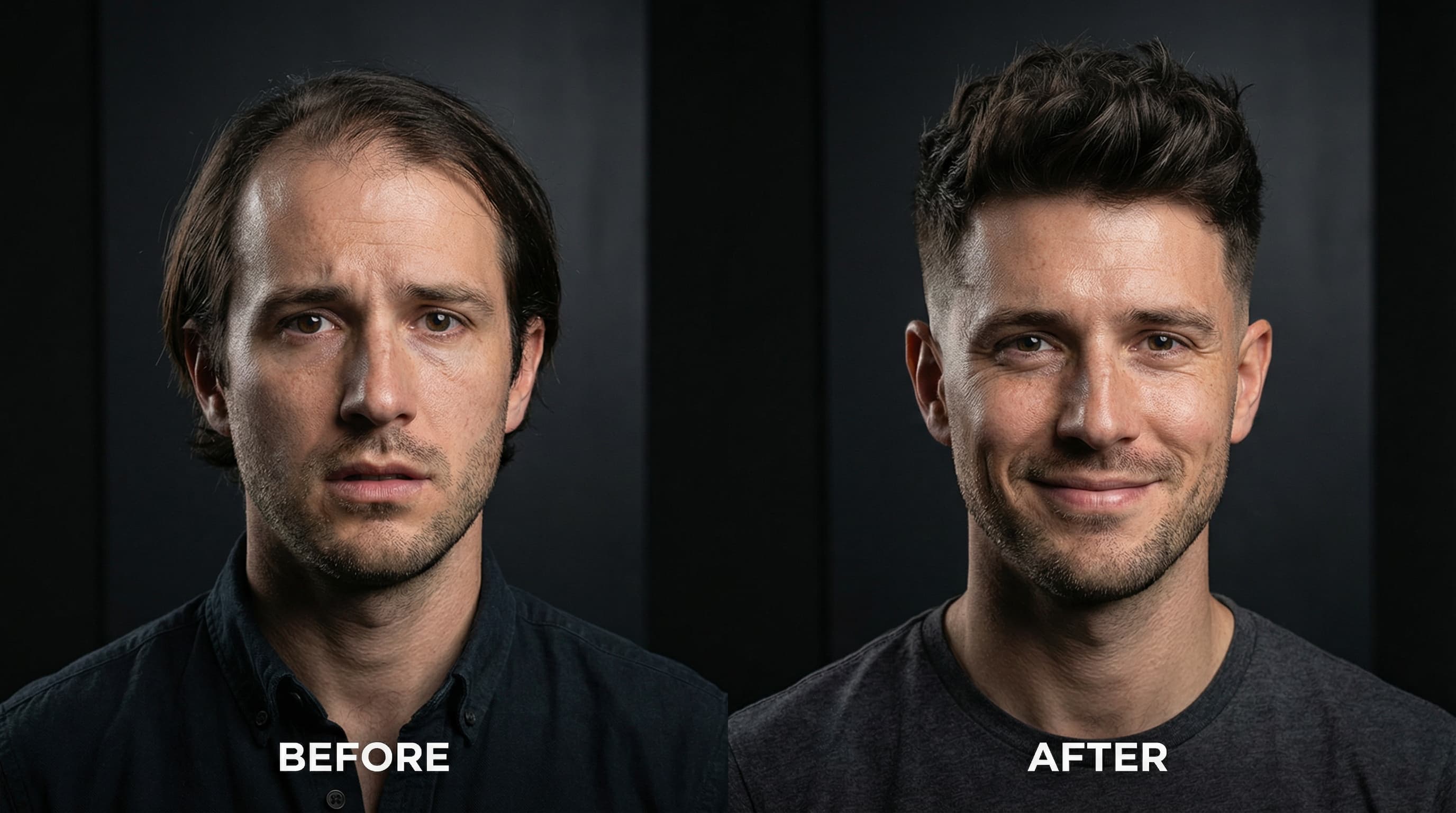
Shorter sides, longer top is a formula that's stood the test of time for men with thinning hair. This creates visual balance, making the hair on top appear fuller. A textured top with faded sides draws attention away from thinning areas while projecting confidence and style.
If you have fine hair, avoid thinning scissors. They can leave you with a wispy, lifeless look. Instead, work with your barber to find cuts that add lift and volume at the crown. Pre-styling sprays like salt water spray can amplify your hair's natural texture, setting the stage for styles that look fuller and more dynamic.
Understanding how to properly apply hair products ensures you get maximum volume without the weight. A pea-sized amount of matte wax, warmed between your palms and worked through damp hair, creates texture and separation that makes each strand appear thicker.
The Bottom Line: Taking Action Today
Here's what separates men who preserve their hair from those who don't: early intervention. The men who see the best results are those who start treatment at the first signs of hair loss, not after significant thinning has already occurred.
Hair follicles that are still producing thin, weak hair can often be revitalized with appropriate treatment. Once they've completely miniaturized and stopped producing hair, it becomes much more difficult to restore them. Time is literally of the essence.
Let me leave you with this. Your hair doesn't define you, but how you respond to challenges does. The question isn't whether you're experiencing hair loss. The question is what you're going to do about it. Are you going to accept defeat before the battle has even begun? Or are you going to arm yourself with knowledge, implement proven strategies, and take control of your outcome?
The science is clear. The treatments exist. The lifestyle changes are within your reach. Now it's up to you to decide what kind of man you're going to be. The one who waits and hopes, or the one who acts and achieves.
Start today. Not tomorrow. Not next week. Today. Because the best time to plant a tree was twenty years ago. The second best time is right now.
For the latest updates and grooming tips, follow us on Facebook @DaDudehair and Instagram @dadudehair.
Comment